
Strategic Management Newsletter Registration
Rock-Solid Public Speaking Training
Instructions – Cloud Based Evaluation Tool – Examples – Overcoming Anxiety – 8 Speech Assignments – Guaranteed Improvement or Money Back
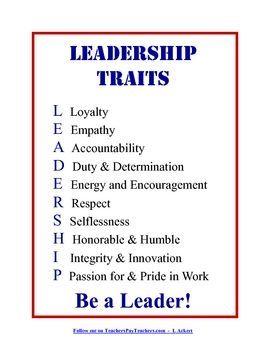


Leadership: Character and Service
Leadership: Character and Service
Leadership is often described in terms of authority, influence, or vision, yet the essence of leadership is far more personal and demanding. True leadership is not primarily about position or recognition; it is about character and service. Leaders shape the direction and spirit of a group not simply through commands or strategies, but through the way they live, learn, and relate to others. Four qualities reveal the heart of authentic leadership: personal sacrifice, teachability, self-giving, and genuine connection with people.
First, leadership is personally sacrificial. Effective leaders understand that responsibility requires giving up certain comforts, privileges, and sometimes even personal recognition. Leadership demands time, emotional energy, and difficult decision-making that may not always bring immediate rewards. A leader often carries burdens others do not see. They stay late to solve problems, accept criticism when things go wrong, and place the needs of the organization or team above their own convenience. Sacrifice builds credibility. When followers see that a leader is willing to bear the cost of leadership, trust begins to grow. People willingly follow leaders who demonstrate that the mission matters more than their own comfort.
Second, a good leader must remain teachable. Leadership is not a final destination of knowledge but a continuous journey of learning. A teachable leader understands that no one possesses all the answers. They listen carefully to colleagues, mentors, and even those they lead. They are willing to admit mistakes and adjust their thinking when new insight appears. This humility strengthens leadership rather than weakening it. When leaders model a learning mindset, they create a culture where improvement and growth become normal. A teachable leader invites feedback, studies new ideas, and continually refines their approach so they can lead more wisely and effectively.
Third, leaders give of themselves. Leadership involves more than directing tasks or managing processes; it requires personal investment in the success of others. Great leaders share their knowledge, their encouragement, and their energy with the people around them. They mentor emerging talent, celebrate the achievements of others, and provide support when challenges arise. This willingness to give builds loyalty and unity within a team. People recognize when a leader is invested in their development and well-being. When leaders consistently give of themselves, they cultivate an environment where cooperation and commitment flourish.
Finally, leadership requires genuine connection with people. Leadership ultimately happens in the context of relationships. A leader who cannot connect with others will struggle to inspire trust or motivate meaningful effort. Connecting with people means understanding their perspectives, recognizing their strengths, and acknowledging their concerns. It involves listening with sincerity and communicating with clarity and empathy. When leaders connect with individuals on a personal level, they create a sense of shared purpose. People feel seen, valued, and motivated to contribute their best efforts.
In the end, leadership is not defined by titles or power but by the influence that flows from character and service. Leaders who sacrifice personally, remain teachable, give generously of themselves, and connect deeply with people create environments where individuals and organizations thrive. Such leadership transforms not only outcomes but also the people who participate in the journey.
Courageous Leadership
Courageous Leadership Yields Tangible Results
Courageous leadership is not loud, theatrical, or impulsive. It is steady under pressure, principled under scrutiny, and resolute when others hesitate. At its core, courageous leadership begins with a clear purpose. Leaders who know why they lead can endure uncertainty, criticism, and setbacks. Purpose acts as a compass. It clarifies priorities, sharpens strategy, and unifies people around a shared destination. Without a clearly articulated mission, courage devolves into recklessness. With purpose, courage becomes focused resolve.
Equally essential is paramount integrity. Courageous leaders do not shift their values with the political wind. Their commitments are stable and visible. Integrity is not merely honesty; it is consistency between belief, word, and action. When a leader’s promises match their performance, trust compounds. When their public stance aligns with their private behavior, credibility strengthens. Integrity is the infrastructure that sustains authority. Without it, even bold actions appear self-serving.
Closely aligned with integrity are strong ethical convictions. Courageous leaders understand that power without moral boundaries becomes destructive. They establish ethical guardrails before crisis forces the issue. When confronted with difficult choices—profit versus principle, popularity versus truth—they lean toward what is right rather than what is expedient. Ethical conviction often requires sacrifice, but it produces long-term respect and organizational stability.
Courage also requires decisiveness. Indecision breeds confusion and erodes confidence. While wise leaders gather data and invite counsel, they do not become paralyzed by analysis. They recognize that imperfect action is often superior to delayed perfection. Decisiveness communicates confidence and direction, particularly in volatile conditions. It reassures teams that someone is willing to bear responsibility for outcomes.
Alongside decisiveness is directness. Courageous leaders communicate plainly. They address conflict early, give honest feedback, and confront reality without euphemism. Directness reduces ambiguity and prevents small problems from metastasizing into large ones. It is not cruelty; it is clarity delivered with respect. Teams flourish when expectations are explicit and accountability is transparent.
Courageous leaders often exhibit a distinctive manner. They are not imitations of others. Their voice, style, and approach reflect authenticity rather than mimicry. This distinctiveness makes them memorable and trustworthy. People follow leaders who are real, not rehearsed. Authentic presence generates confidence because it signals internal alignment.
In addition, courageous leadership frequently employs daring methods. Innovation requires risk. Whether rethinking strategy, restructuring systems, or challenging industry norms, courageous leaders are willing to depart from conventional pathways when those pathways no longer serve the mission. Daring does not mean careless; it means thoughtfully bold. It involves calculated risk in pursuit of meaningful progress.
Yet boldness must be guided by discernment. Courage without wisdom becomes volatility. Discernment allows leaders to distinguish between noise and signal, urgency and importance, ego and principle. It enables them to read people accurately, anticipate consequences, and adjust strategy without abandoning purpose. Discernment tempers daring with judgment.
Finally, courageous leadership is inherently attractive. People are drawn to leaders who stand firm, speak truthfully, and act consistently. Such leaders inspire loyalty not through fear, but through example. Their moral clarity, strategic resolve, and authentic presence create environments where others feel safe to contribute and grow.
Courageous leadership, therefore, is not a single act of bravery. It is a sustained pattern of purposeful, ethical, decisive, and discerning action. When these characteristics converge, leadership becomes both powerful and profoundly influential.
Addressing Business Mistakes
Four Points to Resiliency February – 2026 Sourced: J. Maxwell – ChatGPT – Dr. Gary D. Seale
In the business world, mistakes are inevitable. Markets shift, strategies fail, communication breaks down, and even experienced leaders misjudge situations. What separates successful professionals from struggling ones is not the absence of mistakes, but the response to them. Growth in business depends on four essential disciplines: learning from mistakes, admitting them publicly, determining their causes, and having the strength to correct them.
First, effective leaders intentionally learn from their mistakes. Rather than ignoring failure or blaming circumstances, they treat every setback as a source of data. A failed product launch, a lost client, or a missed deadline becomes an opportunity to evaluate assumptions and refine decision-making. This learning mindset transforms errors into stepping stones for improvement. Companies that cultivate such reflection build resilience and adaptability, which are crucial in competitive environments.
Second, strong leaders admit their mistakes publicly. Transparency builds trust. When executives or managers acknowledge an error in front of their teams, they model accountability and integrity. Public admission reduces rumors, clarifies misunderstandings, and reinforces a culture where honesty is valued over ego protection. Employees are far more likely to take responsibility for their own actions when leadership demonstrates the same courage.
Third, successful professionals determine why the mistake occurred. Surface-level explanations are not enough. They ask deeper questions: Was there insufficient research? Poor communication? Unrealistic timelines? Inadequate training? By conducting thoughtful analysis—sometimes through formal reviews or post-mortem meetings—organizations identify root causes rather than symptoms. This prevents the same mistake from recurring and strengthens systems for the future.
Finally, it takes strength to correct mistakes. Correction may require financial investment, policy changes, difficult conversations, or even restructuring teams. Pride can tempt leaders to minimize or delay corrective action. However, decisive correction restores credibility and positions the organization for long-term success. Employees respect leaders who confront problems directly and implement solutions, even when doing so is uncomfortable.
In business, mistakes are not the true enemy—stagnation is. Those who learn, admit, analyze, and correct their errors cultivate wisdom and trust. Over time, this disciplined approach transforms failure into one of the most powerful teachers in the business world.
C-Suite Level Screening Precepts
Four Categories for Investigation
Selecting the right C-level executive for a mid-size U.S.-based enterprise is one of the most consequential decisions an organization can make. Unlike lower-level hires, C-suite appointments shape strategy, culture, financial outcomes, and long-term sustainability. A poor choice can stall growth, erode morale, and damage stakeholder confidence, while the right leader can accelerate innovation and organizational alignment. Effective screening for C-level positions therefore requires a disciplined, multi-dimensional approach that goes well beyond reviewing résumés.
Below are four major considerations when screening candidates for executive leadership roles:
- Strategic Alignment and Visionary Capacity
C-level executives must demonstrate the ability to think beyond daily operations and shape long-term direction. Screening should assess whether candidates have successfully developed and executed strategic initiatives that produced measurable outcomes. For example, a prospective Chief Executive Officer or Chief Operating Officer should provide evidence of leading market expansions, organizational turnarounds, or innovation initiatives.
Behavioral interviews should probe how the candidate identifies opportunities, evaluates risk, and adjusts strategy amid changing economic or competitive conditions. In a mid-size enterprise—often operating with fewer buffers than large corporations—leaders must balance ambition with pragmatism. Evaluating strategic thinking can include scenario-based questions, case simulations, and a review of prior board-level interactions. The candidate’s ability to translate vision into actionable plans is a key indicator of executive readiness.
- Cultural Fit and Leadership Character
Technical skill and industry knowledge alone do not guarantee success. Cultural alignment is particularly critical in mid-size organizations, where executive presence is more visible and personal influence more direct. Screening should explore leadership philosophy, communication style, ethical decision-making, and alignment with the company’s mission and values.
Structured reference checks and 360-degree feedback from previous roles can reveal patterns in how candidates treat employees, resolve conflict, and respond to adversity. Character assessment may also include integrity testing and discussions around past ethical dilemmas. In U.S.-based enterprises, adherence to regulatory standards, transparency expectations, and corporate governance principles is essential. Leaders must foster trust across departments, model accountability, and inspire confidence among stakeholders. Cultural misalignment at the C-level can quickly disrupt morale and productivity.
- Operational Competence and Financial Acumen
Mid-size businesses often operate with tighter margins and leaner infrastructures than large corporations. Therefore, C-level candidates must demonstrate strong operational discipline and financial literacy. Screening should evaluate experience with budgeting, capital allocation, performance metrics, and regulatory compliance.
For example, a Chief Financial Officer candidate should clearly articulate how they have improved cash flow, optimized cost structures, or strengthened internal controls. Similarly, a Chief Marketing Officer should show measurable results in revenue growth, brand positioning, and return on investment. Reviewing audited results, performance dashboards, and key performance indicators from previous roles can provide objective data to support claims of competence.
Financial stewardship is especially important in the U.S. business environment, where transparency, investor expectations, and legal compliance play significant roles. Executives must understand risk management, labor regulations, and evolving economic conditions that affect mid-size enterprises.
- Governance, Stakeholder Management, and Succession Planning
C-level executives operate within a broader governance structure that includes boards of directors, investors, customers, and community stakeholders. Effective screening must assess a candidate’s experience working with boards and managing external relationships. Candidates should demonstrate the ability to communicate clearly in high-stakes environments and align diverse interests around common objectives.
Mid-size enterprises often rely heavily on executive leaders to represent the organization publicly. Therefore, reputation, credibility, and emotional intelligence are crucial. Screening may include board interviews, leadership assessments, and scenario discussions related to crisis management or public relations challenges.
Additionally, strong executives think beyond their own tenure. Evaluating how candidates have developed future leaders or strengthened succession pipelines offers insight into their long-term orientation. Sustainable enterprises require leaders who invest in people development and institutional resilience.
In conclusion, screening candidates for C-level positions in a mid-size U.S. enterprise demands a comprehensive evaluation of strategy, character, competence, and governance capacity. Organizations that implement structured interviews, rigorous reference checks, financial performance reviews, and board-level assessments are more likely to secure leaders who can drive sustainable growth. By approaching executive hiring as a strategic investment rather than a routine personnel decision, mid-size enterprises position themselves for enduring success in a competitive marketplace.
Leadership in Action: From Vision to Execution
Effective leadership is not defined by position alone, but by the ability to guide people through challenges toward meaningful outcomes. True leadership follows a deliberate process that begins with identifying problems and ends with organized action. Throughout this journey, wisdom, influence, vision, and collaboration play essential roles.
The first responsibility of a leader is problem identification. Before progress can be made, the leader must clearly understand what is wrong, what is lacking, or what opportunity is being missed. Ignoring problems allows them to grow, but recognizing them early demonstrates responsibility and courage. Effective leaders gather information, listen carefully, and define the problem accurately rather than reacting emotionally or prematurely.
Once the problem is identified, wise leaders turn to seeking Godly guidance. Leadership decisions often carry consequences that affect many people, and relying solely on human wisdom can be limiting. Through prayer, reflection, and scriptural principles, leaders gain clarity, humility, and direction. Seeking Godly guidance helps align decisions with integrity, purpose, and long-term values rather than short-term gains.
After gaining clarity, leaders begin approaching key influencers. Influencers are individuals whose opinions and actions carry weight within an organization. By engaging these individuals early, leaders build support, gain insight, and reduce resistance. Influencers often help shape attitudes and create momentum before broader communication begins.
Next, leaders conduct a thorough situation assessment. This involves evaluating available resources, potential risks, timelines, and the capabilities of the team. A realistic assessment prevents unrealistic expectations and prepares the organization for challenges ahead. It also allows leaders to adjust plans strategically rather than reacting in crisis.
With preparation complete, leaders cast a vision with the employees. Vision provides direction and meaning by answering the question, “Why does this matter?” When leaders clearly communicate a compelling vision, employees understand their role in the bigger picture. Vision transforms tasks into purpose and motivates people to move forward together.
To strengthen motivation, leaders encourage people with past success stories. Recalling previous victories builds confidence and reminds employees that challenges can be overcome. These stories reinforce trust in leadership and demonstrate that success is achievable through teamwork and perseverance.
Once confidence is established, leaders work to gain buy-in from employees. Buy-in occurs when people believe in the vision and commit personally to the outcome. This is achieved through open communication, listening to concerns, and valuing employee input. When people feel heard, they are more willing to support change.
Finally, leaders organize people and begin the work. Clear roles, responsibilities, and timelines turn vision into action. Organization ensures accountability and keeps efforts aligned with goals. At this stage, leadership shifts from planning to execution, guiding the team steadily toward success.
In conclusion, effective leadership is a thoughtful process that combines wisdom, faith, influence, and action. By following these steps, leaders not only solve problems but also inspire people to achieve lasting results together.
Bottom of Form
Navigating the Macro-Environment: Challenges and Opportunities for a USA-Based Company
Navigating the Macro-Environment: Risk and Reward
In the dynamic landscape of global business, understanding the macro-environment is crucial for any USA-based company aiming to thrive amidst uncertainty. The macro-environment encompasses external factors beyond a company’s direct control, often analyzed through the PESTEL framework: 1.) Political factors, 2.) Economic factors, 3.) Sociocultural forces, 4.) Technological factors, 5.) Environmental factors, and 6.) Legal or Regulatory conditions.
For a firm operating in the United States, these elements shape strategic decisions, from market entry to risk management. This essay explores how these six principal components influence operations, highlighting both challenges and opportunities in the current context as of 2026.
Political factors represent the government’s influence on business through policies, stability, and international relations. In the USA, a company must navigate a polarized political climate, with shifts in administration affecting trade tariffs, immigration policies, and federal funding. For instance, ongoing tensions with China could impose higher import duties on electronics manufacturers, disrupting supply chains. However, political incentives like the CHIPS and Science Act provide subsidies for domestic semiconductor production, offering growth avenues for tech firms. Companies must engage in lobbying and scenario planning to mitigate risks from election cycles, ensuring agility in response to policy changes.
Economic factors involve macroeconomic indicators such as growth rates, inflation, unemployment, and interest rates. The USA’s economy, post-2020 recovery, faces inflationary pressures from supply chain disruptions and energy costs, with the Federal Reserve’s rate hikes in recent years slowing consumer spending. A USA-based retailer might experience reduced demand during recessions, but economic expansions, driven by robust GDP growth around 2-3% annually, create opportunities for expansion. Currency fluctuations impact exporters; a strong dollar could erode competitiveness abroad. Firms should monitor indicators like the Consumer Price Index and leverage tools like hedging to stabilize finances.
Sociocultural forces reflect societal trends, demographics, and cultural shifts. The USA’s diverse population, with an aging baby boomer generation and rising millennial/Gen Z influence, drives demand for sustainable, inclusive products. Health consciousness post-pandemic has boosted wellness industries, while social movements like #MeToo and Black Lives Matter compel companies to adopt DEI (Diversity, Equity, Inclusion) policies. A food company ignoring plant-based trends risks market share loss to competitors like Beyond Meat. Opportunities arise from urbanization and remote work, expanding e-commerce reach. Understanding these forces through market research helps tailor offerings to evolving values.
Technological factors encompass innovation and digital transformation. The USA leads in tech, with AI, 5G, and biotechnology revolutionizing industries. Companies face disruption from automation, potentially displacing jobs but enhancing efficiency. Cybersecurity threats, amid rising data breaches, necessitate robust defenses. For a software firm, adopting cloud computing via AWS or Azure can scale operations, while R&D tax credits incentivize innovation. Staying ahead requires continuous investment in tech talent and partnerships, turning potential obsolescence into competitive advantage.
Environmental factors address sustainability and climate change. With the USA rejoining the Paris Agreement, pressures mount for carbon reduction. Extreme weather events, like hurricanes in the Southeast, disrupt logistics for manufacturers. Regulatory pushes for green energy, such as the Inflation Reduction Act’s incentives, encourage solar adoption. Companies ignoring ESG (Environmental, Social, Governance) criteria risk reputational damage and investor pullout. Conversely, eco-friendly practices, like Tesla’s electric vehicles, capture market premiums and federal grants.
Finally, regulatory conditions involve legal frameworks governing operations. The USA’s complex system includes antitrust laws from the FTC, labor regulations via OSHA, and data privacy under emerging federal bills. Compliance with Sarbanes-Oxley for public firms ensures financial transparency but adds costs. Intellectual property protections foster innovation, while trade regulations like USMCA facilitate North American operations. Non-compliance can lead to fines, as seen in Big Tech antitrust cases. Proactive legal counsel helps navigate this, turning regulations into barriers for competitors.
In summary, mastering the macro-environment demands vigilance and adaptability for USA-based companies. Here are five key bullet points distilling strategic imperatives:
Political Agility: Monitor bipartisan policies and engage in advocacy to capitalize on incentives like infrastructure bills while hedging against trade wars.
Economic Resilience: Diversify revenue streams and use financial instruments to buffer against inflation and recessions, leveraging growth in sectors like renewable energy.
Sociocultural Alignment: Integrate consumer insights into product development, prioritizing sustainability and diversity to build brand loyalty in a fragmented market.
Technological Integration: Invest in AI and cybersecurity to drive efficiency, utilizing government R&D support to outpace global rivals.
Environmental and Regulatory Compliance: Adopt ESG frameworks and legal audits to mitigate risks, transforming obligations into opportunities for innovation and market leadership.
By holistically addressing these components, companies can not only survive but excel in the USA’s competitive arena.
Leadership Growth via Delegation
Empowering Strategic Decision Making in Small and Medium-Sized Business Enterprises
In the dynamic landscape of small and medium-sized business enterprises (SMBEs), strategic decision-making serves as the cornerstone for sustainable growth and competitive advantage. Unlike large corporations with extensive hierarchies, SMBEs often operate with lean teams, where decisions must be agile, informed, and inclusive to navigate market uncertainties, resource constraints, and rapid changes. Empowering strategic decision making isn’t just about top-down directives; it’s about fostering a culture where insights from all levels contribute to visionary outcomes. This approach not only boosts innovation but also enhances employee engagement, reducing turnover in resource-strapped environments.
As SMBEs scale, the challenges intensify. Founders and senior managers, initially hands-on in every aspect, face mounting responsibilities—from financial oversight to market expansion and compliance. This growth phase demands a shift toward delegation, transforming potential bottlenecks into opportunities for empowerment. Effective delegation isn’t mere task assignment; it’s about entrusting authority with clear guidelines, training, and accountability. By delegating, leader’s free up bandwidth for high-level strategy, while empowering mid-level staff to make decisions aligned with company goals.
Research from the Harvard Business Review highlights that organizations with strong delegation practices see up to 33% higher productivity, as employees feel valued and proactive. To cultivate this empowerment, SMBEs should prioritize data-driven tools and collaborative frameworks. Implementing accessible analytics platforms allows teams to base decisions on real-time insights rather than intuition alone. Regular strategy sessions, where cross-functional input is solicited, democratize the process, ensuring diverse perspectives mitigate blind spots. Moreover, investing in leadership development programs equips managers with skills to delegate effectively, balancing autonomy with oversight.
Here are four key strategies to empower strategic decision making in growing SMBEs:
Foster a Culture of Trust and Training: Begin by building trust through transparent communication and targeted training. As responsibilities mount, senior leaders should delegate routine decisions to trained teams, providing mentorship to ensure alignment with strategic objectives. This reduces micromanagement and accelerates response times.
Leverage Technology for Informed Choices: Adopt affordable tools like cloud-based dashboards for real-time data access. Delegation becomes seamless when everyone has visibility into key metrics, enabling mid-level managers to make strategic calls without constant approvals, even as the company expands.
Establish Clear Delegation Frameworks: Define decision-making boundaries with role-specific authority levels. As senior management handles more complex issues, structured protocols—like decision matrices—ensure delegated tasks support overall growth, preventing overload and promoting accountability.
Encourage Feedback Loops and Adaptability: Implement regular reviews to assess delegated decisions’ outcomes. This iterative process refines strategies, adapts to growth-induced changes, and empowers teams to innovate, turning increased responsibilities into collective strengths.
In conclusion, empowering strategic decision making in SMBEs hinges on smart delegation amid growth. By embracing these practices, leaders not only manage escalating demands but also unlock the full potential of their teams, driving long-term resilience and success.
Attitude
A No Charge Attribute: January 5, 2026

How appropriate it is for us to be discussing attitude during the first full week of the new year. This is a time when we often set new goals and make personal resolutions to achieve a higher level of performance in the new year.
We have known for thousands of years that a person’s thoughts are going to be reflected in their actions. The things we focus on and spend time on are naturally going to become a part of a person’s life. And unlike many accomplishments that we strive for in life, your attitude is cost free and can be completely controlled by yourself. Your attitude is a free will choice. Your attitude can be completely free of your circumstances. It’s a battle in your mind between negativity and poor self-worth and the positive attributes of a positive perspective. We can win the battle of the mind.
Some force outside yourself may strip you of every conceivable physical attribute you identify yourself with. Your family, your friends, your employment situation, your economic situation, your position in life, your personal community, your housing, your country, your health, wealth, you name it, You can lose it all. But no one can take away the things you believe in and the associated attitude it produces.
Let’s begin with the building block of a positive attitude. Looking for the positive in every situation is a fundamental basis for a winning attitude. Yes, I’m completely aware that not every situation is an awe-inspiring moment that creates a lasting impression of good. But even in the most negative circumstances, we can learn lessons that have long lasting implications. Do we approach a project in the same manner? Do we even involve ourselves in this type of exercise again? Do we closely associate ourselves with that kind of person again? Your positive attitude not only shapes you, but it influences the people around you. You become a person of influence.
I confess, for many years, I had a bad attitude. My parents were born in the great depression of the 1930’s. My dad came out of that experience angry and bitter about the way he was raised. My mother lost her father in a work accident when she was only ten years old. She came out of that experience with a fearful perspective on life. When they had children, guess what kind of attitude the children had? Angry, bitter, fearful, mistrusting and lacking confidence. It has taken decades to divorce myself from those self-destroying attitudes.
Let’s return to our topic at hand and examine multiple components of a winning attitude. These components can establish a foundation that will give you the infrastructure to consistently produce a winning attitude. Being positive must be built on a foundation of the truth. Truthfulness is the bedrock that allows trust in our personal and business relationships. Truthfulness does not allow us to look to the left or to the right. The truth is an unwavering commitment to honesty and integrity.
When we are building an attitude perspective, the next aspect we should consider is the question of being noble in our demeanor. Is it gallant and sacrificial? Or is it shameful and disappointing. Is it conduct that you would be pleased to have your family and friends know?
The next attitude attribute is being right. By this I mean, is it the kind of mindset that understands due process. Being right means to think and act with the proper timing in mind. A time for war and a time for peace. A time to embrace and a time for separation. A time to plant and a time to harvest. A time to control our thoughts.
The next two attributes are purity and love. The question becomes how do we interact with our social and business environment? Is it a dog-eat-dog aggressiveness or a deeply caring perspective that promotes equanimity and peace between one another? Are we willing to go the extra mile to convey the love we have in our heart for other people? This is specifically true for the less fortunate ones in our culture. Are you diligent in offering products that exude a level of purity that conveys trust and good will? Are those products devoid of any deceit or purposeful poor quality?
In conjunction with these attitudes, its thinking exclusively about what is admirable in our mind and our resulting conduct. Keeping in mind that admiration cannot be a relative perspective based on what is popular in the current culture. Admirable thoughts must be based on a set of principles that resonate with truth, positivity, and serving others.
The final attitude is excellence. Excellence could be considered the summation of all the other attitude concepts. Excellence should be delivering at the absolute peak quality of our products and services. Excellence should be considered the purest of the motives that delivers with a love mentality. This should result in providing the deepest value possible for your customers and business associates as well.
Remember, It’s a choice. Start with thankfulness & consequences, looking for the positive. Be in awe of God, realize there are significant opportunities possible, have a relentless ownership of a stated goal, develop a quest for excellence with iron discipline. Generate radical resilience and infectious generosity.
This attitude turns obstacles into opportunities; walk with confidence and have sound sleep, wake up with anticipation. Having a team of complexity provides talents to be used for good. Your team sees that possibility, it creates hope, ownership creates commitment, excellence creates winners, resilience creates undying perseverance, generosity creates abundance. Your attitude warms the room, it influences many others, you refuse to stay small. This is not some ethereal mist somewhere out there. Not a distance victory.
It starts with you, the second you commit.
Six Essential Elements of Trust
Six Essential Elements of Trust in B2B Enterprises
In the dynamic landscape of business-to-business (B2B) enterprises, trust serves as the cornerstone for sustainable relationships, enabling collaboration, reducing risks, and driving mutual growth. Unlike consumer markets, B2B interactions involve high-stakes decisions, long-term contracts, and inter-organizational dependencies. Trust mitigates uncertainties, fosters loyalty, and enhances performance by encouraging information sharing and joint problem-solving. Drawing from organizational psychology and marketing literature, six essential elements of trust emerge: ability, understanding, fairness, openness, integrity, and consistency. These elements, when cultivated, transform transactional exchanges into strategic partnerships, as evidenced in buyer-seller dynamics.
This essay explores these elements, supported by scholarly insights. Ability refers to the perceived competence and expertise of a business partner to deliver on promises. In B2B settings, this involves technical skills, resources, and track records that assure reliable performance. For instance, a supplier’s ability to meet production standards builds confidence in supply chain operations. Without ability, partnerships falter under pressure, as partners question each other’s capacity to execute complex projects.
Research highlights that ability is a foundational dimension, directly influencing commitment levels in inter-firm alliances. Understanding encompasses empathy and awareness of a partner’s needs, challenges, and goals. In B2B enterprises, this means recognizing industry-specific pressures and adapting strategies accordingly. For example, a vendor tailoring solutions to a client’s operational constraints demonstrates understanding, strengthening relational bonds. This element promotes benevolence, where partners prioritize each other’s success over short-term gains, reducing conflicts and enhancing cooperation. Fairness involves equitable treatment, transparent dealings, and just allocation of benefits and risks. In B2B contexts, fairness manifests in pricing negotiations, contract terms, and dispute resolutions. Unfair practices, like opportunistic behavior, erode trust rapidly. Fairness ensures reciprocity, encouraging ongoing investments in the relationship. Studies show that perceived fairness correlates with higher satisfaction and longevity in supplier-buyer ties.
Openness is characterized by transparent communication and willingness to share information freely. In B2B enterprises, this includes disclosing potential issues early, such as supply delays, to allow proactive adjustments. Openness reduces information asymmetry, a common barrier in complex deals, and signals vulnerability, which paradoxically bolsters trust. Effective openness leads to better-aligned expectations and collaborative innovation. Integrity denotes adherence to ethical standards, honesty, and moral consistency. B2B partners with integrity honor commitments, avoid deception, and act in good faith. This element is critical in global operations where cultural differences might tempt shortcuts. Breaches in integrity, like falsifying data, can lead to reputational damage and legal repercussions, underscoring its role in sustaining trust.
Consistency implies predictable and reliable behavior over time. In B2B relationships, this means stable policies, consistent quality, and dependable responses. Inconsistent actions breed doubt, while consistency reinforces predictability, allowing partners to plan with confidence. This element is vital for long-term contracts, where variability can disrupt operations. In conclusion, these six elements—ability, understanding, fairness, openness, integrity, and consistency—interlock to form robust trust in B2B enterprises. By prioritizing them, firms can achieve competitive advantages through enduring partnerships. However, building trust requires ongoing effort, as erosion in any element can unravel the whole. Future research could explore digital influences on these dynamics.
References:
Ganesan, S., & Hess, R. (1997). Dimensions and levels of trust: Implications for commitment to a relationship. Marketing Letters, 8, 439-448.
Ashnai, B., Henneberg, S. C., Naudé, P., & Francescucci, A. (2016). Inter-personal and inter-organizational trust in business relationships: An attitude–behavior–outcome model. Industrial Marketing Management, 52, 128-139.
Quaddus, M., & Hofmeyer, G. (2004). Interorganizational trust in B2B relationships. Proceedings of the 6th International Conference on Electronic Commerce.
Mayer, R. C., Davis, J. H., & Schoorman, F. D. (1995). An integrative model of organizational trust. Academy of Management Review, 20(3), 709-734.
Here are clear, concise bullet points summarizing the six essential elements of trust in B2B enterprises.
Ability
The perceived competence, expertise, and resources of a partner to reliably deliver on promises and meet technical or operational requirements. A strong track record and capability instill confidence in high-stakes, complex projects.
Understanding
Empathy and deep awareness of the partner’s business needs, challenges, goals, and industry pressures. Demonstrating genuine interest and tailoring solutions to the partner’s specific context fosters benevolence and long-term alignment.
Fairness
Equitable treatment, transparent negotiations, and balanced sharing of risks and rewards. Fair practices in pricing, contracts, and conflict resolution build reciprocity and prevent perceptions of opportunism.
Openness
Willingness to communicate transparently and share relevant information (including potential problems) in a timely manner. Reduces information asymmetry and signals vulnerability, which paradoxically strengthens trust.
Integrity
Consistent honesty, adherence to ethical standards, and keeping commitments even when it is costly or inconvenient. Critical in global or culturally diverse relationships where moral consistency is closely scrutinized.
Consistency
Predictable behavior, stable quality, and reliable responses over time. Enables partners to plan confidently and reduces uncertainty in long-term contracts and ongoing collaborations.
Decision Criteria for a Significant Sales and Marketing Initiative
Navigating Leadership Decisions in a Major Sales and Marketing Campaign in SMBEs
For a small or medium-sized business Enterprise (SMBE) providing specialized services—such as digital transformation, customer engagement solutions, or operational automation—launching a significant sales and marketing campaign can be a defining moment. With limited resources and high competition, ownership and senior managers must align on strategic priorities to ensure the campaign drives growth without jeopardizing financial strain. A well-executed campaign can expand market share, strengthen brand equity, and boost revenue by 30-40%, but missteps can erode budgets and morale.
Leadership discussions should focus on robust decision criteria, blending data-driven insights with operational realities to maximize impact. Below, we explore four key criteria that ownership and senior managers should discuss and implement to guide a transformative campaign, ensuring alignment with the SMBE’s mission of delivering affordable, innovative services. Leadership must first establish a shared vision for the campaign’s objectives—whether penetrating new markets, upselling existing clients, or elevating brand visibility. Discussions should center on balancing ambition with pragmatism, leveraging the SMBE’s agility to outmaneuver larger competitors. Managers should implement a structured decision-making framework, informed by the following criteria:
ROI Forecasting and Resource Allocation: Leaders must prioritize channels with proven returns, using predictive analytics to guide budget decisions. For example, allocating 50-60% of funds to high-ROI tactics like targeted digital ads or email automation, based on past campaigns yielding 3:1 returns, ensures efficiency. Managers should implement real-time tracking to adjust spending dynamically.
Customer Insight Integration: Decisions should stem from validated client pain points, gathered through surveys, focus groups, or A/B testing. Leadership must ensure campaign messaging resonates with at least 75% of the target audience, addressing needs like cost savings or scalability. Implementing pre-campaign pilots can refine tactics before full rollout.
Internal Capacity Assessment: Ownership should evaluate team bandwidth to avoid burnout, a common SMB pitfall. For instance, outsourcing non-core tasks like content creation only when in-house utilization exceeds 115% preserves culture and quality. Managers must implement cross-functional workflows to align sales and marketing efforts.
Agile Risk Management: Campaigns should incorporate iterative checkpoints—biweekly or monthly—to pivot from underperforming elements. Leadership should empower teams to reallocate 10-15% of the budget based on analytics, such as abandoning low-engagement social ads. Implementing agile sprints ensures adaptability in dynamic markets.
These criteria demand cross-departmental collaboration. Ownership should foster open forums where marketing, sales, and operations leaders co-create strategies, avoiding silos that derail 60% of SMB campaigns, per industry studies. Managers must implement tools like CRM dashboards for real-time insights and assign clear KPIs, such as 20% lead conversion or 15% cost-per-acquisition reduction.
Scholarly research reinforces these priorities. A Journal of Marketing study notes that integrating customer data into decision-making boosts campaign outcomes by 25%. Harvard Business Review advocates for cross-functional alignment to enhance strategic coherence, while Strategic Management Journal emphasizes agility in resource-constrained firms, improving success rates by 30%. By embedding these principles, ownership and managers can transform a high-stakes campaign into a catalyst for sustainable growth, proving that SMBs can punch above their weight with precision and foresight.
References:
Lilien, G. L., & Grewal, R. (2017). “Enhancing Marketing Decision-Making with Data Analytics.” Journal of Marketing, 81(5), 1-18.
Court, D., et al. (2014). “Decision-Driven Marketing.” Harvard Business Review, 92(7/8), 68-77.
De Swaan Arons, M., van den Driest, F., & Weed, K. (2014). “The Ultimate Marketing Machine.” Strategic Management Journal, 35(3), 1-12.
Forging Visionary Leaders for B2B Success
In today’s competitive business-to-business (B2B) landscape, cultivating future leaders within a tangible item sales and service organization is critical to sustaining growth and adapting to market demands. Effective leadership drives innovation, fosters resilience, and ensures long-term success.
Drawing from insights by renowned research and consulting organizations like McKinsey, Gartner, and the Center for Creative Leadership (CCL), this article outlines key strategies for developing future leaders in such organizations.
- Identify and Nurture High-Potential Talent Early
According to McKinsey, identifying high-potential employees early is a cornerstone of leadership development. In a B2B sales and service organization, where relationship-building and technical expertise are paramount, leaders must spot individuals who demonstrate strong interpersonal skills, adaptability, and a customer-centric mindset. Gartner emphasizes the importance of assessing not just current performance but also the ability to grow into complex roles. Implement structured talent assessment programs, such as 360-degree feedback and competency-based evaluations, to identify employees with leadership potential. Pair these assessments with clear career pathways to motivate and retain top talent.
- Foster a Culture of Continuous Learning
The CCL highlights that 70% of leadership development occurs through on-the-job experiences, 20% through mentoring, and 10% through formal training. In a B2B context, where sales cycles are long and product knowledge is critical, organizations should create experiential learning opportunities. For instance, involve emerging leaders in cross-functional projects, such as collaborating with product development teams to understand tangible goods or working with service teams to address client pain points. Formal training programs, like those focused on negotiation skills or industry trends, should complement these experiences. Gartner notes that organizations investing in continuous learning see a 24% improvement in employee performance and engagement.
- Develop Emotional Intelligence and Relationship-Building Skills
B2B sales and service thrive on trust and long-term client relationships. McKinsey’s research underscores that emotional intelligence (EQ) is a critical leadership trait, enabling leaders to navigate complex stakeholder dynamics. Training programs should focus on enhancing EQ through active listening, empathy, and conflict resolution. For example, role-playing exercises that simulate challenging client interactions can prepare future leaders to handle real-world scenarios. Additionally, mentorship from seasoned sales leaders can provide insights into building authentic client relationships, a skill critical for success in B2B environments.
- Embrace Technology and Data-Driven Decision-Making The modern B2B landscape is increasingly data-driven. Gartner predicts that by 2026, 75% of B2B sales organizations will rely on AI-driven analytics to enhance decision-making. Future leaders must be proficient in leveraging tools like CRM systems, predictive analytics, and supply chain management software to optimize sales and service processes. Organizations should provide training on these technologies and encourage leaders to use data to anticipate client needs and streamline operations. This not only improves efficiency but also positions leaders as strategic thinkers.
- Promote Diversity and Inclusion
Diverse leadership teams drive innovation and better decision-making. McKinsey’s 2020 report found that companies with diverse leadership are 25% more likely to achieve above-average profitability. In B2B organizations, fostering inclusivity ensures that leaders reflect the diverse client base they serve, enhancing cultural competence and market understanding. Implement mentorship programs and leadership tracks that prioritize diversity, ensuring equitable opportunities for underrepresented groups.
- Encourage Resilience and Adaptability
The CCL emphasizes that resilience is critical for leaders in dynamic industries like B2B sales and service, where market fluctuations and client demands can be unpredictable. Organizations should create environments where calculated risk-taking is encouraged, and failures are treated as learning opportunities. Scenario planning exercises and leadership simulations can help future leaders build the agility needed to navigate challenges.
- Conclusion
Building future leaders in a B2B tangible item sales and service organization requires a strategic, multifaceted approach. By identifying high-potential talent, fostering continuous learning, developing emotional intelligence, embracing technology, promoting diversity, and encouraging resilience, organizations can cultivate leaders who drive growth and innovation. Insights from McKinsey, Gartner, and the CCL underscore that investing in leadership development is not just a strategy but a necessity for long-term success in the competitive B2B landscape.
Discipline Trumps Motivation
The Power of Discipline in Business: Why Consistency Trumps Emotional Motivation
In the fast-paced world of business, success hinges not on fleeting bursts of inspiration but on a disciplined approach that ensures steady progress. While emotional motivation can spark initial enthusiasm, it is unreliable and often fades under pressure. Discipline, in contrast, provides a structured framework that drives long-term achievement, fosters resilience, and builds sustainable growth. By prioritizing consistent effort over erratic emotional highs, entrepreneurs and business leaders can navigate challenges and achieve their goals with greater certainty.
Emotional motivation is inherently volatile. It ebbs and flows with external circumstances, personal moods, or unexpected setbacks. A 2019 study published in the Journal of Applied Psychology found that reliance on emotional states for productivity leads to inconsistent performance, as individuals struggle to maintain momentum when motivation wanes (Kanfer & Chen, 2016). In business, where decisions must be made under uncertainty and deadlines loom, waiting for the “right mood” can paralyze progress. Discipline, however, creates systems—daily routines, clear goals, and accountability measures—that function regardless of emotional state. This consistency allows business owners to push forward even on tough days.
Discipline also cultivates resilience, a critical trait for navigating the inevitable ups and downs of entrepreneurship. According to a 2021 article in Harvard Business Review, disciplined leaders who adhere to structured processes are better equipped to handle stress and adapt to change (Gino, 2021). By establishing habits like regular financial reviews, strategic planning, or consistent customer outreach, businesses can maintain stability even in turbulent markets. For example, companies like Amazon have thrived by adhering to disciplined operational frameworks, such as their “working backwards” methodology, which prioritizes customer needs through systematic planning rather than reactive enthusiasm.
Moreover, discipline fosters trust and credibility. Teams and clients respond positively to predictable, reliable behavior. A 2020 study in Organizational Behavior and Human Decision Processes highlighted that consistent leadership behaviors enhance employee engagement and organizational performance (Podsakoff et al., 2020). A leader who shows up consistently, follows through on commitments, and maintains clear communication builds a culture of accountability that motivates others, creating a virtuous cycle of productivity. In contrast, businesses driven by emotional motivation risk burnout and inconsistency. The adrenaline of a new venture or a big win can feel exhilarating, but it’s unsustainable. Discipline ensures that systems are in place to carry the business forward when the initial excitement fades.
Key Benefits of a Disciplined Approach in Business:
- Consistency Over Chaos: Discipline creates reliable systems that reduce dependence on unpredictable emotional states.
- Resilience Under Pressure: Structured habits enable businesses to weather setbacks and adapt to change effectively.
- Enhanced Credibility: Consistent actions build trust with teams, clients, and stakeholders, fostering long-term success.
- Sustainable Growth: Discipline ensures steady progress toward goals, avoiding the pitfalls of burnout or erratic performance.
In conclusion, while emotional motivation can ignite the spark of ambition, discipline is the engine that drives sustained success in business. By building systems, fostering resilience, and maintaining consistency, disciplined entrepreneurs create a foundation for lasting achievement.
References:
Kanfer, R., & Chen, G. (2016). Motivation in organizational behavior: History, advances, and prospects. Journal of Applied Psychology, 101(2), 1-16.
Gino, F. (2021). The power of discipline in leadership. Harvard Business Review.
Podsakoff, N. P., et al. (2020). Consistency in leadership behaviors and employee engagement. Organizational Behavior and Human Decision Processes, 159, 23-35.
Select to Read: Technology Trends You Cannot Afford to Miss in 2025
Technology and Small Business 2025: Game-Changing Trends You Can’t Afford to Ignore

The ProValet Team
December 12, 2024

Technology is reshaping the way small businesses operate, and by 2025, this transformation will only accelerate. Around the globe, we’ve seen SMEs adopt tools like cloud computing and IoT to boost efficiency and enhance customer experiences. For instance, a logistics SME in the US reduced inventory discrepancies by 30% using IoT solutions—proof that even modest tech investments can yield significant results.
As digital tools become more accessible, small businesses are breaking barriers once reserved for larger enterprises. Remote work platforms now allow us to collaborate with talent worldwide while reducing overhead costs. In Australia alone, small businesses have embraced IT solutions to reach new markets faster than ever before.
The road isn’t without challenges—resistance to change and learning curves remain—but the long-term benefits far outweigh these hurdles. As we look ahead to 2025, it’s clear that technology will continue unlocking opportunities for growth and innovation in ways we couldn’t imagine just a decade ago.
Key Takeaways
- Technology is a Catalyst for Growth: By 2025, small businesses will increasingly adopt tools like AI, IoT, and cloud computing to streamline operations, enhance customer experiences, and remain competitive.
- AI and Automation Drive Efficiency: Artificial intelligence enables smarter decision-making while automating repetitive tasks. Innovations like AI-powered chatbots and predictive inventory management optimize workflows across industries.
- Remote Work and Collaboration Tools Flourish: Hybrid work models supported by cloud-based applications and advanced collaboration tools boost flexibility, productivity, and team connectivity in modern workplaces.
- Cybersecurity is Non-Negotiable: As digital adoption grows, robust cybersecurity measures—including AI-driven threat detection—are essential to protect sensitive data and build customer trust.
- Data Analytics Powers Personalization: Leveraging analytics for hyper-personalized customer experiences fosters loyalty while improving engagement through tailored offerings based on consumer behavior insights.
- Emerging Technologies Shape the Future: The rise of 5G networks, quantum computing, AR/XR technologies, and sustainability-focused innovations provides small businesses with new avenues for growth and efficiency gains by 2025.
How Technology is Transforming Small Businesses in 2025
Technology is reshaping small businesses, making processes faster and more efficient. By adopting tools like AI-powered chatbots, 53% of small businesses are already streamlining customer service. These chatbots handle inquiries quickly, allowing teams to focus on strategy instead of answering repetitive questions.
Field service automation has revolutionized operations for service-based businesses. Automated field service solutions, including technician scheduling tools and route management software, help optimize daily tasks. For example, a plumbing business can now schedule jobs efficiently while tracking technicians in real-time using mobile workforce management apps.
AI-driven inventory management enables precise stock control based on predictive analytics. A clothing retailer could use this technology to forecast seasonal demand accurately, reducing overstock and shortages simultaneously. This balance saves money while improving customer satisfaction.
Cloud computing continues to be a game-changer by offering scalability at reduced costs. Data storage and access have become seamless across remote teams thanks to platforms integrating job scheduling software for technicians or field service CRM systems. Employees collaborate better without being tied to physical locations—a necessity after the global shift toward hybrid work environments.
Cybersecurity remains critical as digital adoption grows. Small businesses prioritize protecting sensitive data with advanced security measures previously only affordable for larger enterprises. Implementing these safeguards builds trust with customers who expect their information to stay secure during transactions or when interacting through homeowner service apps or customer portals.
Service industry software solutions enhance engagement by personalizing interactions at every touchpoint. Whether it’s automated invoicing via service invoicing software or managing feedback systematically through technician management tools, we’re witnessing improved connections between companies and clients that foster loyalty.
Finally, mobile field service apps empower employees on the go by providing instant updates about tasks or client requirements directly from their devices. This accessibility boosts productivity while reducing delays caused by communication gaps—vital for staying competitive in fast-moving industries.
Leadership and Management
Leadership and Management

By: Gary D. Seale: MBA | ABD
The Trucon Consulting Group, LLC
May 30, 2025
According to the Four Functions of Management list found in the first chapter of the Principles and Leadership text, leading is one of the four key functions of management (Satterlee, A. 2019). The bullet point on leading includes not only directing employees, but also aspects of motivating and communicating to the associates. It would be difficult to imagine a manager who does not provide some level of leadership, even if the character of the individual exhibited negative leadership traits. However, management can be defined as the direction and supervision of the tasks necessary for the organization to function, devoid of the leadership qualities that separate a successful company from a marginal performer. In contrast, leadership captures the vision of the organization and allows it to propel the interaction with the employees. This type of interaction is participative with every level of the employee group.
Leadership should also include the diplomatic administration of the management tasks necessary to provide orderly function to the company. The level of effectiveness and the type of managerial style does not preclude the use of an autocratic or democratic style of management. Military troops going through basic training can be expected to adhere to an autocratic management style as they learn military discipline. Whereas senior managers at the research and development division of a software company will expect a highly democratic atmosphere. Leaders can be identified as transactional or transformational. Transactional leaders know the management principles and ensure their reports follow the task requirements to accomplish the job descriptions (Satterlee, A. 2019). However, transformational leaders display the charisma to inspire extraordinary accomplishments in addition to the assigned tasks. Satterlee (2019), continues to articulate concepts such as followership, trust, types of power, the roles of management to fill out the introduction to management and leadership for the reader. Three Significant Concepts The Trusted Leader by Gladis Gladis (2010), stated in his book, The Trusted Leader that the defining word for a leader is trust. Without trust it is extremely difficult to accomplish any task without a significant amount of constraints such as time related issues and cost.
The author uses the analogy of a triangle and the components of trustworthiness proposed by Aristotle. More than 2,500 years ago Aristotle wrote that trust is composed of good character, good sense, and good will. Gladis (2010), went on to provide components of each character trait. Additional research reveals the correlation between authentic leadership, communication, and individual performance (Ghufran et al, 2022). This Ghufran paper states that there is a significant and positive effect that trust produces directly and indirectly due to superior levels of communication and leader trustworthiness. This positive effect is of interest to the management and leadership team in any organization because of the positive effect on productivity. An addendum to these concepts is the component parts of the trust concept presented in the Satterlee text (Satterlee, A. 2019). They include definitions for the concept’s integrity, competence, consistency, loyalty, and openness. A Biblical example of trust is the narrative of the Great Commission, which reads: “Then Jesus came to them and said, “All authority in heaven and on earth has been given to me. Therefore, go and make disciples of all nations, baptizing them in the name of the Father and of the Son and of the Holy Spirit, and teaching them to obey everything I have commanded you. And surely, I am with you always, to the very end of the age.” (Life application Bible: New international version.,1991, Matthew 28:18-20). In this passage the trust that God the Father transferred to Jesus the Son allows the reader to see the trust that Jesus transferred to the believers in the first century.
The concept of having trust in the management team is important because trust promotes a quality work effort that permeates the entire organization. In the highly competitive global culture where businesses strive to survive, this type of competitive edge is important. A lack of trust extends internally and externally. It could impact customer retention as well as employee attraction and retention. A reputation of trust can mean a competitive edge that supports the organization’s long-term viability. Administrative Management In today’s work environment, both large employee size organizations and relatively small employers comprise the employer groups. The larger size employers can be observed more readily because they are more likely to be listed on a stock exchange and publish an annual report in conjunction with a quarterly 10K report. Administration grows more critical as a company grows in sales and employment numbers. This organizational concept is the study of efficiency and effectiveness (Satterlee, A. 2019).
Efficiency can be visualized as the precision that is executed to accomplish a given task. For example, fastening rims and tires to the front and rear of a car in an automobile assembly plant should be done with the highest level of efficiency. Effectiveness is seen as the ability to work with, and lead people in such a manner that promotes good will, motivation, and solidarity in the organization. The Satterlee text cited two individuals who made a significant contribution to the field of administrative management. Henri Fayol (1841-1925) published a management book detailing four functions and fourteen principles of management (Satterlee, A. 2019). Fayol’s publication cited concepts such as the division of work, authority, discipline, command, order, and morale factors for the workers. Max Weber (1864-1920), promulgated the concept of authority and command over the workforce. His contribution runs counter to the modern concept of participative management. Weber proposed formal rules and an impersonal workplace with no emotion or camaraderie involved. In an article from the Academy of Management Perspectives, Johnson (2021), and his research associates investigated and reported the transformation of the automation available in the scientific research process to management and business science normally managed by people. They concluded that many of the existing technologies can be used to automate manual processes in the business research areas.
Artificial intelligence (AI) is at the forefront of this discussion in industries presented with external suppliers that offer AI services without the expense and time delays required for this technology development. Downsizing employment populations have now become common in companies who have large employee groups that can be replaced with AI technology. Tschang, (2021), reports that AI is eliminating the middle skill level jobs and leaving the low-skill manual jobs and the higher skill requirement positions. It will be critical for many employees to see how this trend plays out. Administrative management is an imperative aspect for every company to serve their customers and remain competitive in the marketplace. It serves as the trusted platform for the associates to function effectively and efficiently in their roles. The functionality provided by a well-structured administration allows for the selection of the best talent.
High quality talent in the correct roles is a key for success. Deming and Quality Management Deming (1900-1993) is best known for bringing quality into the Japanese economy after World War II. He introduced the quality improvement model labeled as a plan, do, check and act (PDCA). He compiled a list of fourteen points that stressed innovation and training. Deming insisted that innovation and training must be constant pursuits that keep the company on the cutting edge of competitiveness. His key points included consistent purpose, clarity, process improvement, trained workers, leadership, trust, quality products and pride in workmanship. To support all of this philosophy, top management must be committed to the initiatives. Deming also stated the 85-15 principle, which says that when a problem occurred, eighty-five percent of the time the issue was with the company’s systems, including management directives.
Additional research opens the quality discussion into the 21st century (Wolniak, & Grebski, 2023). These researchers investigated the quality aspect of business in the Industry 4.0 culture. Their findings reveal a profound impact of combining Total Quality Management and the digitalization capabilities that exist in the business world of 2024. The ability to track processes in real time allows for agile changes in the strategy and administration of an organization. This should allow for a more competitive approach to the market that did not exist when Deming established his quality principles. The importance of incorporating a Deming type of quality program is logical and competitive because the process should establish the company as a trusted partner in the marketplace. The level of trust and goodwill built by adhering to these policies aids in customer retention, customer acquisition and employee morale. Furthermore, it establishes standards of performance for the employees to understand what actions are expected of them.
The cumulative impact is to establish the company in a position that creates a continuous competitive advantage if handled properly and communicated to the marketplace with the appropriate level of humility.
Conclusion
The first of the three concepts is a discussion on trust. The article by Gladis was chosen to inform the reader about this concept. More than 2,500 years ago Aristotle wrote that trust is composed of good character, good sense, and good will. The author expounded on these three traits by defining a series of descriptive terms to qualify the concept. It is clear that Gladis (2010), believes that trust is the critical concept as it relates to leadership in the 21st century. Administrative management was presented as a necessary, but unexciting part of the business administrative landscape. Administration is the fundamental support structure that allows the company to function in the marketplace. And finally, a review of Deming’s concept for quality in an organization was presented. He introduced the quality improvement model labeled a plan, do, check and act (PDCA). His list of fourteen points stressed innovation and training. Deming insisted that innovation and training must be constant pursuit that keeps the company on the cutting edge of competitiveness. These three concepts: trust, administration, and quality are three instrumental pillars that every company must master to remain competitive in the global economy today.
Functional Area Paper: Managerial Leadership
Gary D. Seale
Doctoral Candidate in Strategic Management @Liberty University
February 2023
Abstract
In organizations around the world, it can be seen where the future rises and falls on the quality of the leadership. This research seeks to find the individual components of leadership versus a managerial perspective. In its most basic form management is the coordination and administration of business activities, tasks, and resources to achieve a set objective. Leadership expands on the command-and-control aspect of management and seeks to engage the emotions of the subordinates and other stakeholders to harness the productivity of talented, motivated people. Key aspects of leadership will be reviewed. Knowledge, confidence, and delegation are three essential components of leadership. These elements must be coupled with integrity, communication, and compassion to understand what motivates people to take action. Every leader should have the capability to plan, have a vision, and possess a high level of effectiveness in the marketplace. Additionally, competence and confidentiality are part of an individual’s personality that will qualify them to be known as a leader. All these components will be inspected to examine this extensive field of inquiry and how it benefits organizations around the world.
Key Words
Leadership, Humility, Integrity, Compassion, Confidence
Introduction – Managerial Leadership
Effective management requires leadership. It is rarely possible to segregate the behavioral functions of managership and leadership if leadership is included in the vision and mission of an enterprise. It is because every act of influence on a matter of organizational importance is to some measure an act of leadership. A manager organizes, directs, and controls various activities of the enterprise directed toward specific ends. However, a leader who rouses confidence and trust in his associates gets the utmost collaboration from them and leads their activities in a structured effort (Muczyk, 2020, p. 27).
One of the primary attitudes fundamental to superior leadership is the realization that no one individual is self-sufficient, particularly the leader. This is critically important to the person appointed to a leadership position in the workplace. Personality tests and experience reveal that individuals look at the manager’s character traits, self-confidence, knowledge, skills, and abilities to determine leadership skills instead of titles alone (Seaton, 2021, P. 120). Individual associates and the group prefer to be treated as adults and use the skills they bring to the workplace. After all, wasn’t that the reason they were hired? As a result, the leader must utilize the talents and skills of the team instead of hoarding the most important tasks and decisions to themselves. The military leadership styles practiced in the first half of the 20th century are no longer viable. No longer can management expect their associates “Not to reason why – but just to do and die.” This is now commonly referred to as shared leadership with multiple well-trained members of a work team executing their functions with a high degree of autonomy (Klein & Ziegert, et al, 2006, p. 593).
An important aspect of promoting a non-self-centered environment is communicating this attitude to your associates. The best communication includes not only what is expected from everyone but also how the individual’s work is integrated into the group’s direction and goals. The combination of delegation and communication work increases productivity and morale. These factors, along with the proper training will work to insure a highly effective and progressive team (Beebe & Beebe, et al, 2009, p. 9). The non-self-sufficient attitude necessitates a large dose of humility for the appointed manager. The manager should make a pre-commitment to refuse to participate in any form of arrogance or threatening conduct. This implies the leader “knows it all.” In contrast, the leader should be keenly interested in each individual’s real needs. Trust, delegation, communication, training, and a caring attitude are five critical aspects of leadership that promote goodwill and production in the workplace.
Another important position a leader should establish is that of unwavering integrity. Inconsistent decisions and behavior will result in a reputation of distrust thereby leading to lost business and employee turnover. Basing your decisions and behavior on integrity means consistently sticking to your commitments. It is far better to not make a promise than to adopt an “everything is relative” policy. This form of relativism states that our previous agreement is in force until I find a better situation, or it becomes painful for me to continue in the current relationship. Honesty and truthfulness display an openness that is not possible in an atmosphere where fabrications are standard. Dishonesty implies a form of self-sufficiency that is impossible to sustain. The leader must continuously strive to balance the needs of their work team and the needs of the company. There will always be tension between the priority of the needs of the individual and the team. The key word is balance. The leader cannot dominate an individual’s rights and needs any more than the employee can strip the company of their profitability. The employee should approach his work with an attitude of excellence that yields a high level of benefits to his employer (Rego & Cunha, et al, 2018, p. 214). As a result of this need for balance, the manager must honestly carry out the policies and procedures established in the workplace. These policies and procedures are established for the mutual benefit of both parties.
Deviation from the truth damages the essential element called trust. It is the truth that builds faith in our individual organizations, management, products, and relationships that sustain the present and build hope for the future. The actions surrounding truth, honesty, integrity, and commitment form an attitude that precludes duplicity. It is this commitment to truthfulness combined with a real concern for the rights of others that conveys true leadership. All too frequently during the past decade, we have observed political, religious, and business leaders paying the high price for practicing self-sufficiency and duplicity. The manager’s human relations skills must go beyond simple truthfulness. The goal of practicing integrity in the workplace must be coupled with compassion and proper motives. A leader’s motives should be to carry out the mission of the organization with no hidden agendas, false promises, or hype. “The use of an integrity framework can arguably contribute to the creation of a positive work environment and to a healthy relationship between stakeholders, in particular between senior and middle managers. If implemented effectively, such a framework will assist in creating an environment in which integrity development can flourish” (May & Van Niekerk, 2019, p. 207).
A non-self-sufficient attitude translates into compassion in the workplace. This necessitates the need to understand everyone’s strengths, weaknesses, or personal handicaps. It is also important to understand if these attributes are temporary or long-term. Then assign the right combination of talent to achieve the established goals in the most efficient manner. In addition, the leader must be a peacemaker. It is inevitable that conflicts will arise in a group of people over a period. It is the result of individual/team tension. Therefore, it is important to be able to establish some common ground that both parties can agree to. Based on this common ground (the achievement of the stated goals) the leader should be able to arrange a working agreement that produces a positive result.
Finally, the leader must accept responsibility for the morale of the people being supervised. At first, this may seem like an impossible mountain to climb. Isn’t motivation primarily an internal issue? Aren’t some people born with a positive outlook and others melancholy? The answer to both questions is a qualified yes. “Morale also encompasses job satisfaction or the enjoyable, positive affective state that results from the assessment of one’s job or experiences at work. It is important to understand the association between leader arrogance and subordinate morale because morale is of paramount importance to organizations and has been shown to predict a variety of positive outcomes (Borden & Levy, et al, 2018, p. 348-349).
However, by practicing compassion, truthfulness, openness, equity, training, commitment to the group, delegation, and rewarding performance the leaders bring all the power together delegated to them to ensure morale is at its highest. The organization of this paper will follow a condensed list of character traits of a positive, mature leader. Foundational tenets such as truthfulness, trust, experience, competence, and confidence will be researched. In addition, having humility, and planning will be explored. Critical areas such as effectiveness, vision, and confidentiality will be examined as well.
In summary, it must be clearly understood that these remarks are not advocating the capitulation of management’s authority. However, they are challenging the leader to approach their associates as a team, recognizing everyone’s unique ability to contribute to achieving the goals of the organization (Seale, 2023, p. 26).
Current Research – Managerial Leadership
As the components of leadership are explained throughout this paper, it cannot be stressed enough that the total character of the leader is constantly on trial by the potential followers. All of the individual components combine to make up an outstanding leader. And certainly, no one is expected to be perfect. But to build a leader worthy of trust, the individual must strive to be consistent in the disciplines that constitute their character or risk losing their followers. Or to rely on the old cliché, they must “Talk the talk and walk the talk.” Ultimately, a failure to accept the premises of honesty, purity, truthfulness, trustworthiness, excellence, and service leads to inconsistent character qualities in individuals and companies.
Weak personal character traits may be evidenced by lying, tardiness, falsified reports, missed assignments, and sloppy work. On a slightly larger scale, they become failing to honor warranties, theft, false advertising, or shuffling deliveries to satisfy the most demanding customer. On a macro scale, they become selling faulty products, fraud, padding corporate income statements, and insider trading. There is a multitude of other overt actions that indicate a lack of integrity and commitment in the marketplace. Read daily news and you can commonly see some version of character failure spelled out on those screens. The cost of poor character is made up of lost opportunities, distrust, lawsuits, prison time, demotions, terminations, shame, disgust, and disappointment. These character failures also permeate the workplace and hurt innocent people who have far less of a golden parachute than the wealthy leaders who lead their companies into deceit.
In contrast, the outward evidence of a strong committed character is a consistently high level of conduct despite the circumstances. A commitment to performing high-quality work despite inconsistent management styles is a good example of admirable character. The list of strong character qualities reads like a bipolar opposite of an individual with weak commitments. Quality work and timely delivery are trademarks of these people. Complete honesty and pure motives mark their personality. There is no slander, revenge motives or alter ulterior plots involved in their conduct. Strong character in an individual not only produces quality work but is also concerned about the individuals impacted by his production. The study of ethical management can be divided into three fields of ethics: descriptive, ethics management, and ethics management tools (Gherardi & Laasch, 2022, p. 270).
The rewards of strong character are first peace and heartfelt joy that they gave a 100% of their capacity to a quality effort. These people earn trust and respect that turn into sales dollars, raises, promotions, and security. Even if the results do not meet expectations, everyone knows that every effort was taken to have a successful outcome. Of critical importance for the company and its associates is the situation where an inexperienced individual is placed in a leadership position requiring personnel decisions and strategy implementation. This places the new leader/manager in a lose-lose situation. It is an axiom of leadership that the leader should have a high level of productive experience in the field where they are attempting to lead.
This comment also demands a definition of the concept of productive experience. Is it a chronological age or number of years since graduation? Is it a period in the lower echelon but similar jobs? Is it demonstrated competence with the product or service offered by the company? Is it a feeling by the hiring associate that things will work out in the long run? It must be a combination of time, experience in a similar industry, proper education, demonstrated competence, energy, action, wisdom, and the ability to work with and through people to get the work accomplished.
Inexperienced zeal without knowledge leads to short-sighted decisions that fail to take into consideration the constraining aspects of technology, business operations, the need for profit, and the impact on the people involved. The stress placed on people to meet unrealistic job demands leads to lower productivity and a lack of respect for the manager in charge. This is not a recommendation that challenging job assignments never be attempted. It is, however, a warning that zealous, but inexperienced management can do more harm than good to the people that report to them. In this study, we build on these findings and suggest that having more leadership experience will provide an advantage because more time will have been spent on training to be a leader. As training is generally beneficial for job motivation, leadership experience in the sense of additional training might be specifically beneficial. In addition to the number of prior experiences, the quality of these is also supposed to foster productivity (Bergner & Kanape, et al, 2019, p. 206).
Another aspect of this concern is haste causing one to miss the way. This is also a trademark of inexperience and independence. In an effort to be decisive and show leadership, the inexperienced manager can easily be tempted to make decisions without gathering sufficient data or history. With the knowledge of history, the organization can be allowed to let a normal seasonal trend to play out. Or it may allow an employee to mature in their job. A historical perspective may allow a problem to be systemically worked through to its conclusion, instead of short-circuiting the process with a rash decision. Jumping to conclusions in a near state of panic is like the child who demands his way or else tragic consequences will ensue. Not knowing what the consequences are or why the situation developed virtually assures a less-than-optimum solution decision.
The answers for combating the necessity of placing inexperienced people in responsible positions are multi-fold. The following list provides an action plan for both the small and large business leadership teams (Seale, 2023, p. 45).
- Thoroughly screen and hire the best job candidates possible.
- Employ a well-respected psychological screening test.
- Look for experienced people in the same or similar industries.
- Look for people who demonstrate a strong desire for self-development.
- Provide equal opportunities to all associates for job-related training.
- Look for strong people skills.
- Look for effective communication skills.
- Watch for the ability to maintain composure during a crisis.
- Develop a company leadership program.
- Expose your people to an increasing level of authority as their job skills grow.
- Be aware of people who face reality in an adult manner; humble, logical, and calmly.
- Look for people who exhibit the energy level and decisiveness to get the job done.
- Look for order and a logical decision-making process in the way they handle their responsibilities
- Examine their track record thoroughly. Were they productive and successful?
- Require that certain positions have multiple years of experience as a qualifying attribute
Truly one of the fun tasks of leadership is to take a willing associate and develop them for the next step in responsibility. Being prepared for that inevitable vacancy is a much better position than scrambling to fill the void with the inexperienced and unprepared. An especially important aspect of experience is the ability to step back from the day-to-day details and see the big picture. An experienced person can often differentiate between the important challenges and the insignificant issues that need to be set aside for later action or shelved altogether. A leader should be able to use their experience and market reconnaissance to determine trends and set the future course of the organization.
No matter what you prefer to call it, we all experience difficulties in life. From the most simple and mundane acts such as struggling to full alertness in the morning to trauma induced by an unexpected tragedy. Yes, terrorists do fly airplanes into buildings and kill innocent people. Strife, hate, and murder lead to conflict and war. Frustrated goals and delays lead to internal strife that boils over into external anger. And it seems no matter how mature we are, or no matter what mechanism we use to cope with pain, it creeps up and grabs us periodically without asking. Make no doubt that a great deal of personal pain is self-induced by our failure to see the world as it is. In each human lies the capacity for great good and charity as well as self-centered bias and hurtful acts of violence. The pain of unmet expectations and unexpected situations demands that we find a solution or capitulate.
So how do we handle the inevitable adversity that is destined to crop up on our road of life?
Perseverancewith an awareness that there will be a future is the first step. Perseverance is understanding that pain and adversity rarely last for a long period of time. There is light at the end of the tunnel that spells relief. However, the current pain must be not only endured but capitalized upon to produce strength for the future. To have the strength to push on through the current adversity requires that you have a visionof the future. The future holds more promise, challenge, and reward as a result of your existing pain. This vision of rewards is one of the key aspects of perseverance that must be grasped by any individual. Without a prospect for the future, we all eventually wither on the vine and no longer put forth the effort necessary to weather the current storm.
As part of the reward for persevering through the pain caused by adversity, we gain character. The character that is gained has several different elements. One of these elements is wisdom. In this context, wisdom should be defined as the knowledge to make decisions today that will produce excellent results over the long term. The other aspect of character is the knowledge that you have not simply survived trials in the past, but you’ve successfully persevered through those difficult times. This knowledge will serve to bolster your confidence when it begins to wane in the heat of battle. This depth of character allows you to restrain your displays of temper or self-centered insults. Character also means that you do not compromise your principles to achieve relief during a difficult time.
And finally, we reach a state of character produced by pain and perseverance that allows us to have genuine hope for the future. This definition of hope is not one of wishful thinking, but one of confident expectation that our perseverance and character will pay off in peace during times of adversity and deep joy in times of prosperity. This level of hope provides the energy to tackle difficult issues and find creative ways to solve problems. People with strong principled characters are admired and respected. They set an example and win followers because of their ability to stand firm in the face of difficulties. People sense that can be trusted in all circumstances (New International Version Bible, 2013, Zondervan Press, Romans 5:3).
Although the concept of the word experienced has connotations of competence, they are quite different. It may be easy for an individual to have many years of experience in the same industry but have very little in the way of competence in the way of job skills beyond the basics. The key is to take the experience that the job allows you to have and learn the who, what, where, why, how’s, and when’s associated with the job function. With that attitude and enough repetition, people can become acknowledged experts in their field.
Strategic Leadership Components
A commonly accepted model of strategic leadership has been labeled as the five P’s. These elements include purpose, principles, processes, people, and performance. Each element is an integral component of the strategic management discipline. Purpose is the direction of the organization defined by the missions, vision, goals, and strategies established by the leadership of the entity. Principles are core values that are established as unwavering guidelines for the operation of the organization. Processes are a necessary definition of the manner in which work teams achieve goals. People are normally considered as the individual employees who perform the work. Performance relates to an individual’s measurement of effort and the results they achieve.
This paper proceeds to state that there are eight impactful issues facing strategic leaders in the current business environment (Taneja (2023). They are listed as: 1) technology, 2) globalization, 3) diversity, 4) ethics, 5) innovation, 6) security,7) terrorism, and 8) violence in the workplace. Technology is acknowledged as an undeniable aspect of strategic management in both the internal operations perspective and externally with customer and suppliers. The ability to be agile is dependent on the intelligent application of technology available in the marketplace. Globalization is the awareness that businesses function in a globally competitive environment. That opens opportunities and it also constrains possibilities due to the intense competition thrust on them by globalization. Globalization adds complexity to strategic management decision making because of logistics, cultural issues, costs, trade agreements, and tariff duties. Security has two elements that must be taken into consideration. Information technology is a critical function that includes data breaches and intellectual property security. The second element is the physical security of both the employees and the physical plants where business is conducted. Terrorism is listed as a concern that impacts governments and business organizations as well. This involves the ability to deal with threats and terroristic actions as well. Diversity has become an area of concern due to the diversification of the workforce on a global basis. The organization must think in terms of education, function, industry, and organizational background when they choose senior leadership and production level employees. This should aid in keeping the organization competitive. Ethics has surfaced as an area of concern because of the ethical broaches that have cost organizations in matters of reputation and revenue. Strategy managers must develop and implement ethical policies to communicate expectations among the business managers in the organization. An ethical culture is necessary to ensure the successful long-term survival of the organization. Innovation is an element that must be purposefully fostered to increase creativity in organizations. Strategic leaders must ensure that strategy, structure, culture, values, and performance criteria are developed and aligned with the vision of the organization. Violence in the workplace encompasses workplace safety and crisis management. It is the responsibility of organizational leaders to develop and implement a prevention and response system that has the right structure and consistency for handling behaviors and conditions that could endanger worker safety.
Junianti (2023) published a study investigating the influences of leadership decisions in four areas related to employees. The four areas are career growth, salary, job satisfaction, and organizational culture. All four areas are investigated to determine their influence on career growth and employee turnover. A literature review process is used to investigate relationships. It was discovered that all four areas had some influence on growth and turnover rates. However, there are multiple factors that may have influence that were not investigated. These factors may include transformational leadership, tenure, compensation, employee retention, work environment, stress, and compensation. These factors should be taken into consideration for future studies. The authors stated that the four factors are interrelated. Consequently, they influence each other in a positive or negative manner. For example, career growth and job satisfaction are interdependent because people who experience career growth tend to be more satisfied with their jobs. The most contented people are with companies that offer effective employee training and development programs, career paths, and feedback. A competitive salary is more apt to increase retention for the employer and increase a desire to stay for the employee. Each component was researched to determine consensus. Career growth consists of training, effectiveness education, organizational compliance, prestige, and organizational commitment. These training packages in conjunction with organizational rewards increase employee confidence in their future at the organization. They also increase the intention to stay with the organization. However, job stress can have a significant negative effect on turnover intention. A diminished job satisfaction can increase the intention to leave, just as increased satisfaction can create retention. A significant factor related to employee turnover is the wage factor. The relationships are intuitive. Higher wages tend to promote higher levels of retention, and lower wages correlate to a higher intention to leave the organization.
Gary D. Seale – Doctoral Candidate @ Liberty University Principal at The Trucon Consulting Group, LLC

Taking a Long-Term Perspective
Having spent over half of my post college working career working in the industrial distribution business, I found the prevailing culture among the rank and file employees to be one of survival. From my experience and conversations with people in other industries this experience is not radically different.
In economically perfectly competitive businesses such as distribution, there are normally multiple outlets for essentially the same products. This makes it exceedingly difficult to differentiate yourself. And now in the age of internet commerce and increased information availability, it is even more difficult for providers of similar products to separate themselves from the pack.
The short-term perspective driven by the competitive nature of industry causes many daily mistakes. However, there have been some benefits to the customer in the form of rapid responses to requests for quotes, more rapid technical responses, prompt deliveries, product innovations and more efficient supply programs.
The felt need for instant responses from the suppliers causes people burnout, lost profit margins, lost business, inaccurate responses, compromised integrity and strife inside the company and outside the firm with all levels of stakeholders.
There are several ways to combat the pressure you may feel from the need to compress as much activity into as short amount of time as possible. Number one is to do the most thorough, quality job possible in the time allowed and trust God to provide for your well-being. This type of attitude and conduct will honor God and significantly help in reducing time pressured errors.
Another way to combat the stress and errors driven by a short-term viewpoint is to get a firm grasp on the long term impact of your decisions. You must ask yourself if the value of delivering an unqualified technical response, a poorly researched bid, a partially developed product, a poorly written report or unprepared sales call is worth the risk.
These are just a few examples of rushing through a process in business that demands a quality effort. I’m sure you can think of many others in your area of expertise. Simply stated, the risk of losing your integrity, reputation, concern for others and business opportunities is in no way compensated for by the time gained by cutting corners.
Try this proof of short term versus a long-term perspective by grabbing a calculator and performing some simple math.
Fifty two weeks a year yield 260 working days. Subtract 9 paid holidays and 10 days of vacation to yield 241 days. Then begin to determine what percentage a week, a day, four hours and one hour represent as a percentage of that working year.
| One Week = (5/241) | .02074 % | Or 2.1% year. |
| One Day = (1/241) | .00414 % | Or .004 % year |
| 4 Hours = (4/1928) | .00207 % | Or .002 % year |
| 1 Hour = (1/1928) | .0005186 % | Or .0005% year |
Then begin to determine the time required to get the job done properly versus the rushed job that was perceived as necessary. Look at the chart or perform the calculation yourself. What appeared to be a true crisis of time is in effect just a small fraction of the time available to accomplish the task. This exercise will help you get a perspective on time when you are bogged down in a tedious but necessary task. In addition, the proper amount of time can be allocated to truly important tasks.
Finally, step back and look at the importance of the task as if it took place one year ago. With that perspective, what impact will the completion of the task have on the bottom line? I am not recommending that workers ignore any task that does not make their personal priority list, but rather that tasks are given a level of importance commensurate with their long-term importance.
Yes, haste truly does make waste. From poor designs, scrapped products, wasted time, and damaged reputations, the consequences run the gamut of tangible and intangible costs.

Attitude
In today’s marketplace like none other before it, the salesperson tasked with engaging the prospect and leading them to a purchase must have an attitude of confident humility. It has been reported by numerous sales researchers that seventy to ninety percent of the prospects that contact a company to speak to a salesperson have done a significant amount of research before they agree to engage. Consequently, it is important that the salesperson be extremely well informed about every aspect of the products capabilities and performance. That means that they should know far more than the website reveals and be aware of the long-term value of buying your product.
This knowledge must be backed up by a positive demeanor that spells optimism about the product and the benefits the customer will obtain by using it. This means that the salesperson genuinely believes in the viability of the item they are selling, and that faith is displayed in their conduct.
As an employee or owner who is consistently involved in promoting the product, you are doubtless gong to know every little potential flaw in the performance or support functions that are necessary for a successful performance. You cannot allow yourself to become negative because your product is not flawless. Guess what? Few are!
Remember that bad emotions lie, and you must know that to allow those emotions to be seen in front of your buying public is a sign of an unprofessional. It can easily cost you a sale. Do not allow it to happen.
As an observer of human nature, it is self-evident that we get back what we put out. That means if you are warm, open and inviting in your business conduct, there is a much higher probability of being approached by a potential buyer. Contrast that with a salesperson who is curt, arrogant and boastful and it is easy to understand how prospects will avoid that person and choose a competitor who may have similar products, but a much more engaging personality.
Theodore Roosevelt once said, “The most important single ingredient in the formula of success is knowing how to get along with people.” You must be aware that we all have a big challenge being consistent. People can be messy and difficult. It is therefore important that you learn to “walk a mile in the other person’s shoes.”
Be aware there is a certain amount of skepticism that goes along with almost every new sales relationship. You must continuously strive to earn your prospect’s trust. Truthfulness, consistency and delivering on your promises are three significance aspects that earn trust and builds a trusting relationship.
Work on having a prosperity perspective, not a scarcity mentality. Be vigorously competitive, but do not let the loss of an order drive you into a state of despair. You will survive! Survival may force you into some necessary changes. But be thankful that there are other options available.
Allow me to suggest that you have a daily mission statement that essentially says I will be positive in every aspect of my job responsibilities, no matter what the circumstances or the potential outcome. This aspect of having a positive mental mindset will become self-evident in your demeanor and make you more open for customer interaction.
An Excellent Leader Develops People
One of the axioms of employment is that the leader must always be prepared for some level of turnover. The reasons are quite numerous and for education’s sake; I will name a few of these for future reference.
- People get seriously ill or pass away
- They leave for a different opportunity at a new employer
- They are promoted out of their current position
- They are terminated due to consistent poor performance
- They break an immediate termination rule
- Pregnancy and child rearing prevent their return
- A downturn in business requires long term layoffs
- They are seriously misplaced and leave for a new career path or more education
One of your challenges as a manager / leader is to be aware of the morale of your people and have a replacement plan in mind should one of your key people need to leave.
I worked for a safety equipment supply company for a number of years that was headquartered in Houston, Texas. It was only natural for them to encourage the management team to visualize a hurricane drill for each person’s area of responsibility. The concept was to assume that a major storm came through your town and you lost everything that was essential to conducting business. We assumed that the office equipment, computer system, stock and communications hardware could be restored in a reasonably short period of time.
However, the real value to the exercise was to think and plan who would be the first person to be brought back on board and then each subsequent person as you staffed back up to full capacity. This may have some value for you to assist with an evaluation effort.
My personal process was to first of all, observe each person in their current job. Ask yourself if they are showing excellence in their performance, are they interested in the big picture of your business unit’s performance? Have they expressed an interest in growing in their career with the company? Do they have the experience, maturity and skillset to step up to more responsibility? Are they consistent and trustworthy enough to be considered for a promotion?
Be prepared to lose a key position and have someone in mind (and training) to step into that job.
This all leads up to our personal development topic. Personal development is not always learning a new software skill, programming language or technical aspect of your products. It also needs to include the human relations skills that are critically important to someone’s long term viability at a company. Poor people skills ultimately contribute more to the loss of a job than mediocre job performance. Think about terminating an individual who is upbeat, funny, humble and concerned about other people versus the negative, sour, complaining person who never has a good thing to say about anyone.
It is very difficult to let the positive person go and much easier to terminate the negative individual. And, emotions will sway many decisions, especially in a smaller company.
When you as a leader spend resources on developing an individual, it is a morale booster to that individual or group. This can be a make or break factor when it comes to retaining your employees, especially the younger generation who are learning critical job skills as they move into the marketplace.
Watching your associates as they take advantage of educational opportunities (or refuse to do so) can also be one of the benchmarks that will help the leader determine the promotability of each individual on your team.
An investment in developing your team is an investment in the future of the company as well as the individuals who participate. Because we operate in a highly competitive environment, staying on top of market trends can be a long-term life or death issue for your company.
Gary D. Seale
 The TRUCON Consulting Group, LLC